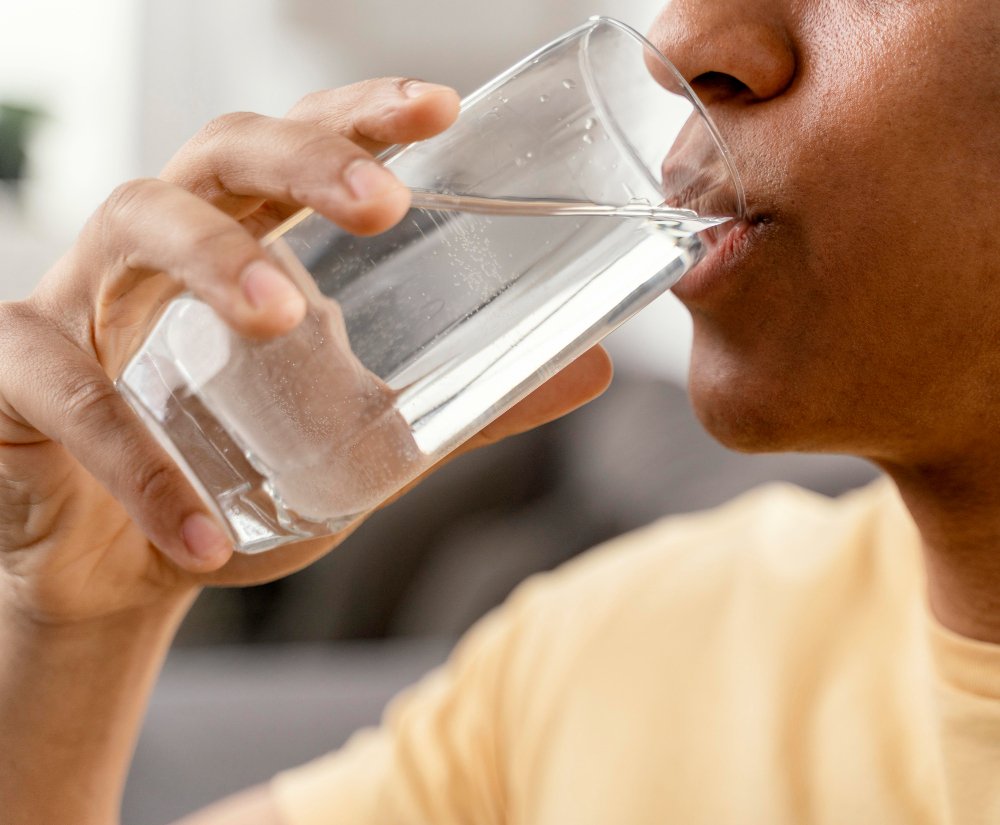
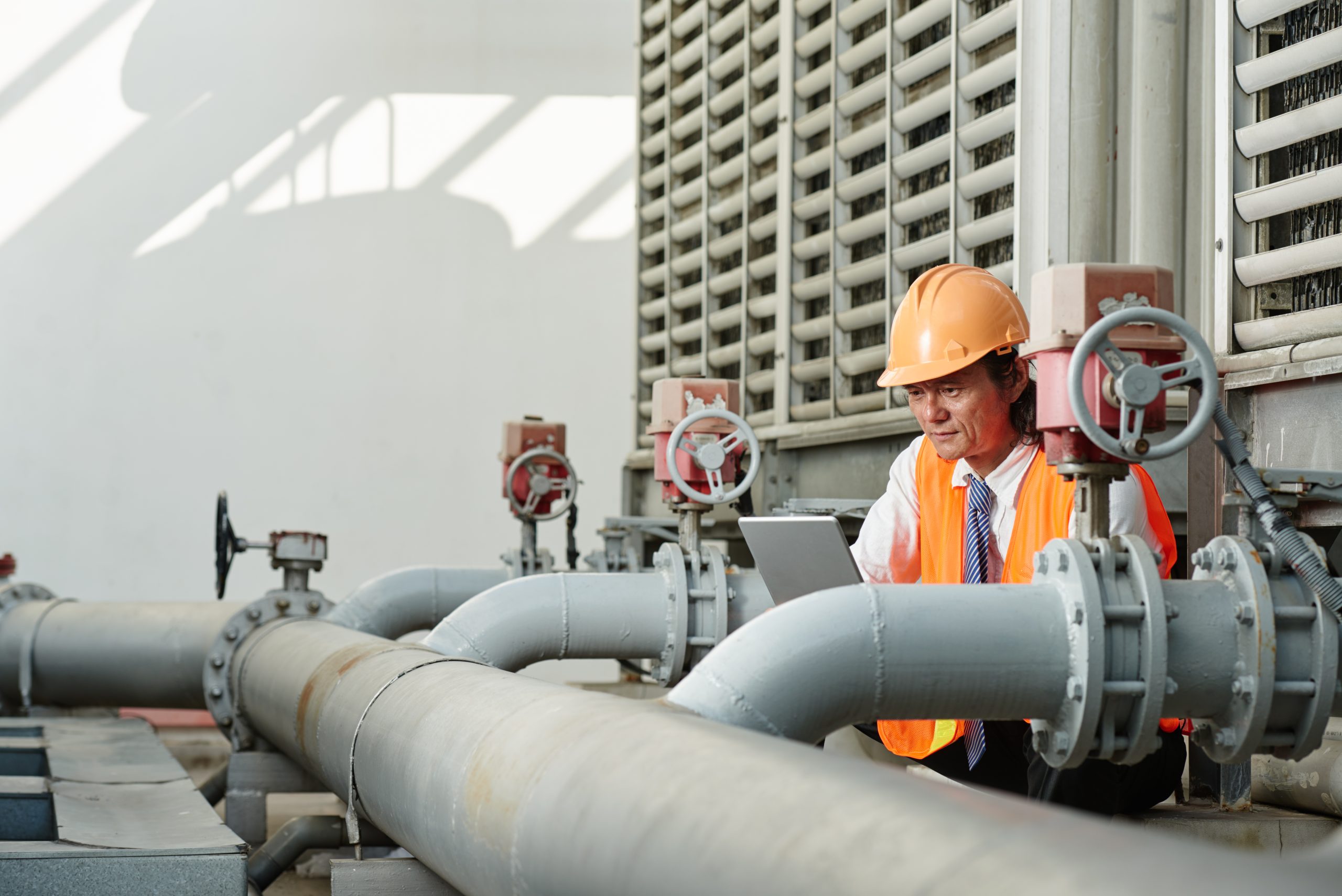
In development talk, the Human Development Index or the Global Hunger Index tends to be on everyone’s lips. Unnoticed in the background tends to be the Joint Monitoring Programme, or JMP, a powerful monitoring tool following global achievement in water, sanitation, and hygiene, or WASH, without making much noise. Co-governed by UNICEF and the World Health Organisation, it has been the international watchdog of WASH data since 1990. You may wonder why this matters? Because, when it comes to our nation, India’s WASH is not only about bathrooms or faucets-it’s about opportunity, health, and dignity.
The availability of safe sanitation and clean water has implications on life expectancy, children’s education as well as for the development of economies.
The JMPs latest report published in 2024 presents a mixed picture of WASH progress. There are more individuals than ever before with access to clean drinking water, toilets, and basic hygiene, yet the report is a wake-up call with a warning: at the rate of advancement, the world will fall short of the 2030 Sustainable Development Goal of universal access, while some nations will fail to achieve even that until the 2060s. Rural regions are behind, fragile states are under strain, and climate change keeps on giving us headaches. Essentially, with all of this development, it is still not rapid enough.
India’s rapid transformation
Amid this uneven global landscape, India’s story feels remarkable. For decades after Independence, sanitation and water improvements were painfully slow. Then came a turnaround. Since 2000, open defecation has dropped by over 676 million people — one of the largest shifts in human behaviour and infrastructure the world has ever seen.
Over three quarters of Indians had safely managed drinking water by 2024, with the cities leading but rural India making gradual progress. The Swachh Bharat Mission led to the installation of toilets in millions of houses, reducing open defecation to less than seven per cent. Researchers now associate these gains with infant mortality declines, demonstrating that sanitation is not only a pride issue but one of survival. Hygiene has progressed similarly. Almost 90 per cent of homes now have access to soap and water for handwashing, up from slightly more than half in 2010.
The road ahead
India’s development has generated massive health and economic dividends. But gaps are difficult to overlook. Rural households continue to fall behind on safe drinking water, states exhibit cutting inequalities, and faecal sludge treatment is a weak link. When no appropriate services are available, all women and girls will be expected to take on the responsibility of providing drinking water to everyone in society. But while infrastructure is important, it is also necessary to lay the foundational long-term changing behaviours, community engagement, innovations, etc. India demonstrates what is possible in two decades. The test now is how to preserve those advances and drive further towards equitable, resilient, and genuinely universal WASH coverage.
The Doulton advantage
Doulton water filters enable WASH standards and help provide safe, reliable, and sustainable drinking water. Doulton filters help address the issue of drinking water quality contamination, and as a system, reduces water pollution and waterborne disease. Even if there is no infrastructure like electricity, Doulton, now considered the best water filter for home, helps filter water to potable levels. Overall, it helps to enhance community health and resilience over the longer-term.