Struggling for a basic right
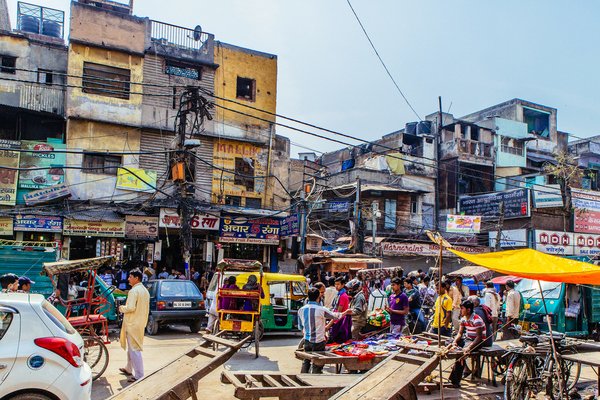
The survey of 12 places in the city highlights inequality and pressure. Families living in unauthorised colonies and many densely packed clusters, such as Shakurpur Basti, Daya Basti and Savda Ghevra, affront daily struggles of lack. When summer peaks, it is just long lines, empty buckets, and a familiar worry of how much money will be left for food after water.
Even with the Delhi Jal Board’s extensive systems of pipe networks and water tankers, what is supplied to people of Delhi does not cover even a fraction of their daily water needs. The data tell the story as follows: about 37 percent of households surveyed consume 20 to 25 litres a day to keep pace with the sizes and demand of their families. However, only 28 percent of households consume the water they require, and only when paid for. Households without the option of a water ATM are regularly dependent on private suppliers who charge a small fortune of 15-30 rupees per gallon of water. For someone who is living paycheck to paycheck, that inconvenience pushes on every contingency, and is absurdly loaded.
Promises, gaps and harsh daily realities
To add to all this, government plans about installing water ATMs have not materialized as much as promised. In April 2025, the Delhi government announced an ambitious plan to install 3,000 water ATMs across the city. In June, they reported that only 20 water ATMs were in place. Again, none of these water ATMs were located in areas that Greenpeace surveyed. Thus, while there might be amazing announcements on the news, the reality of people’s lives in settlements like Khajan Basti and Sunder Nagri is a completely different story.
Vaishali Upadhyay, an activist with Greenpeace India, put it straight: “Water is a basic right, but for these families it’s a daily crisis.” That phrase sticks with you. A basic right turning into a struggle on a daily basis. For families that are already strapped by rising costs, unpredictable labour, and unstable living conditions, water is not just needed, but stress filled.
The report is more than numbers; it is a reminder of how unfair systems ratchet up misery for those least able to cope. The failure to provide affordable and reliable access to water is not merely a function of planning failures (which do exist); it denotes systematic inequality. While more prosperous parts of the community hardly think twice about filling a backyard pool or running a washing machine, lower income families in fines and formal settlements spend sleepless nights praying for water tomorrow.
Will and Doulton Water filters
Until political will and policy translates into pipes, tanks and taps in the bylanes of Delhi, inequity of access will persist. Water is not a luxury; it is living, and too many in Delhi pay a heavy price for something they should never have to pay. In these circumstances, simple technology like Doulton water filters can alleviate some of the issues.
By providing safe, potable drinking water directly in the household without the need for electricity, families can mitigate their reliance on expensive private supplies. For lower income households, reliable filtration water systems could provide them with less risk of sickness, less expenditure, and a little more dignity when it comes to their daily lives.