India’s Urban Water Crisis: 6 Cities that could get impacted in the near future
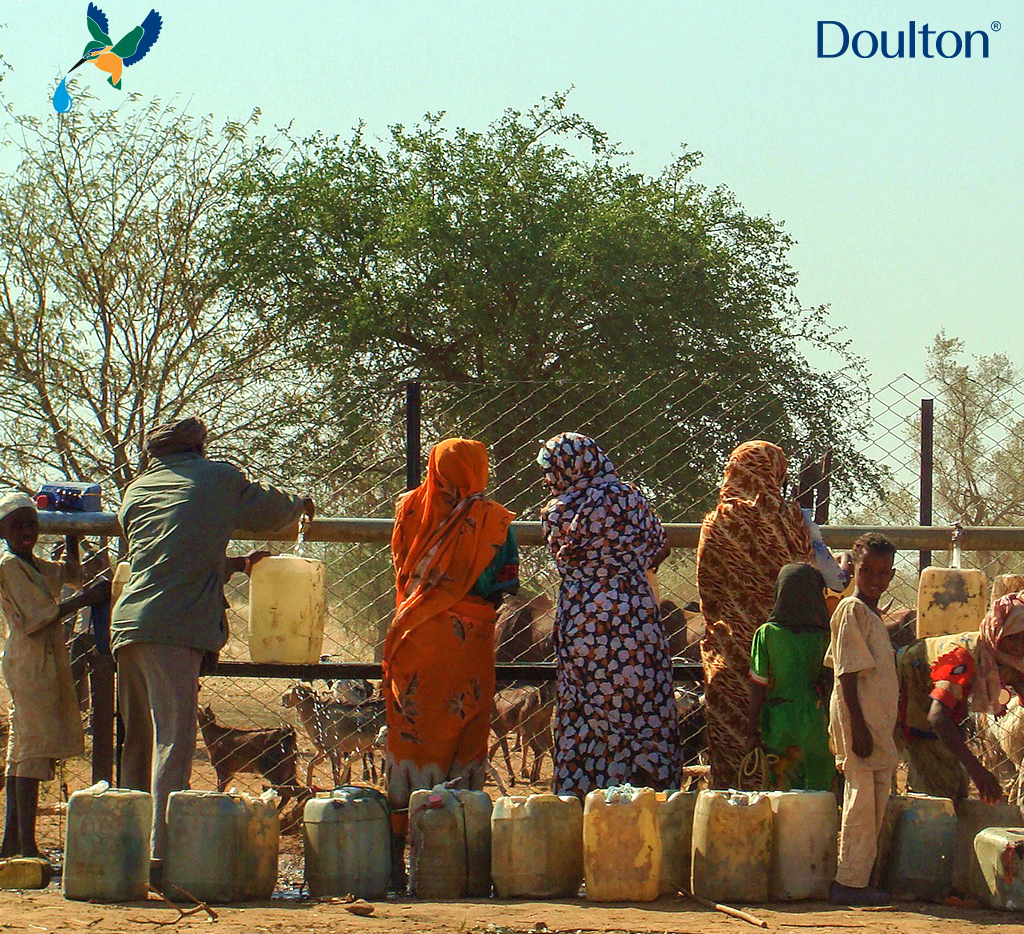
India is on the brink of a national urban water crisis, with several major cities including Bengaluru facing severe water shortages. This threatens the daily lives of millions and pose significant challenges for policymakers.
The urban landscape across the country reveals a grim picture of the water scarcity battle. This is due to rapid urbanization, inefficient water management, and climatic adversities. With time, India could face more severe drinking water shortages if prompt action is not initiated. The resultant water crisis could impact more urban centers in the near future.
Six cities that could face a water crisis in the immediate future include:
Mumbai, India’s bustling metropolis, is encountering an acute water crisis fueled by erratic rainfall and diminishing water sources. The city’s reliance on seven lakes, coupled with a lack of alternative sources and the Brihanmumbai Municipal Corporation’s (BMC) water cuts, highlights the urgent need for efficient water management strategies to combat the increasing demand and inadequate infrastructure.
Jaipur faces a similar plight, with its burgeoning population and industrial growth outpacing the available water supply. The city’s shift from reliance on the Ramgarh Dam to groundwater due to the former’s diminished viability has led to a rapid depletion of aquifers. This signals a dire need for sustainable water usage practices.
In Bathinda, the situation is exacerbated by agricultural overexploitation and diminishing groundwater reserves. The heavy dependency on groundwater for irrigation, without efficient water use, has led to a significant reduction in aquifer levels, highlighting the need for conservation measures.
Lucknow is yet another city teetering on the edge of a water crisis. The extensive extraction of groundwater to meet the city’s needs, combined with over 1,300 government and private tubewells, has led to a drastic decline in water levels. The erratic rainfall and urbanization further strain the already dwindling water resources.
Speak to a water expert find the best water filter suitable for you
If your water source is borewell/tanker etc with TDS above 500 ppm, we do not recommend Doulton Water Filters.
"*" indicates required fields
Chennai experienced one of the most alarming water crises in 2019, becoming a global symbol of urban water scarcity. Despite its considerable annual rainfall, the city is vulnerable to extreme weather events. This, alongside rapid industrialization, underscores the critical need for effective water management and conservation strategies.
Delhi faces acute water scarcity every summer, with the dual challenge of contaminated water sources and groundwater depletion. The contamination of the Yamuna River, a significant water source, and the over-extraction of groundwater necessitate immediate action to reverse depletion trends and improve water quality.
India’s urban water crisis is not just a local issue but a national emergency that requires comprehensive and sustainable solutions. Addressing the inefficiencies in water management, investing in infrastructure, and promoting water conservation practices are imperative to avert the looming catastrophe. While policy makers try to find sustainable solutions to this crisis, we as individuals can play a small but significant role. Water saving tips and use of sustainable water filters like Doulton are just our own initiatives that can make a concrete difference to our lives.